
Lagatar24 Desk
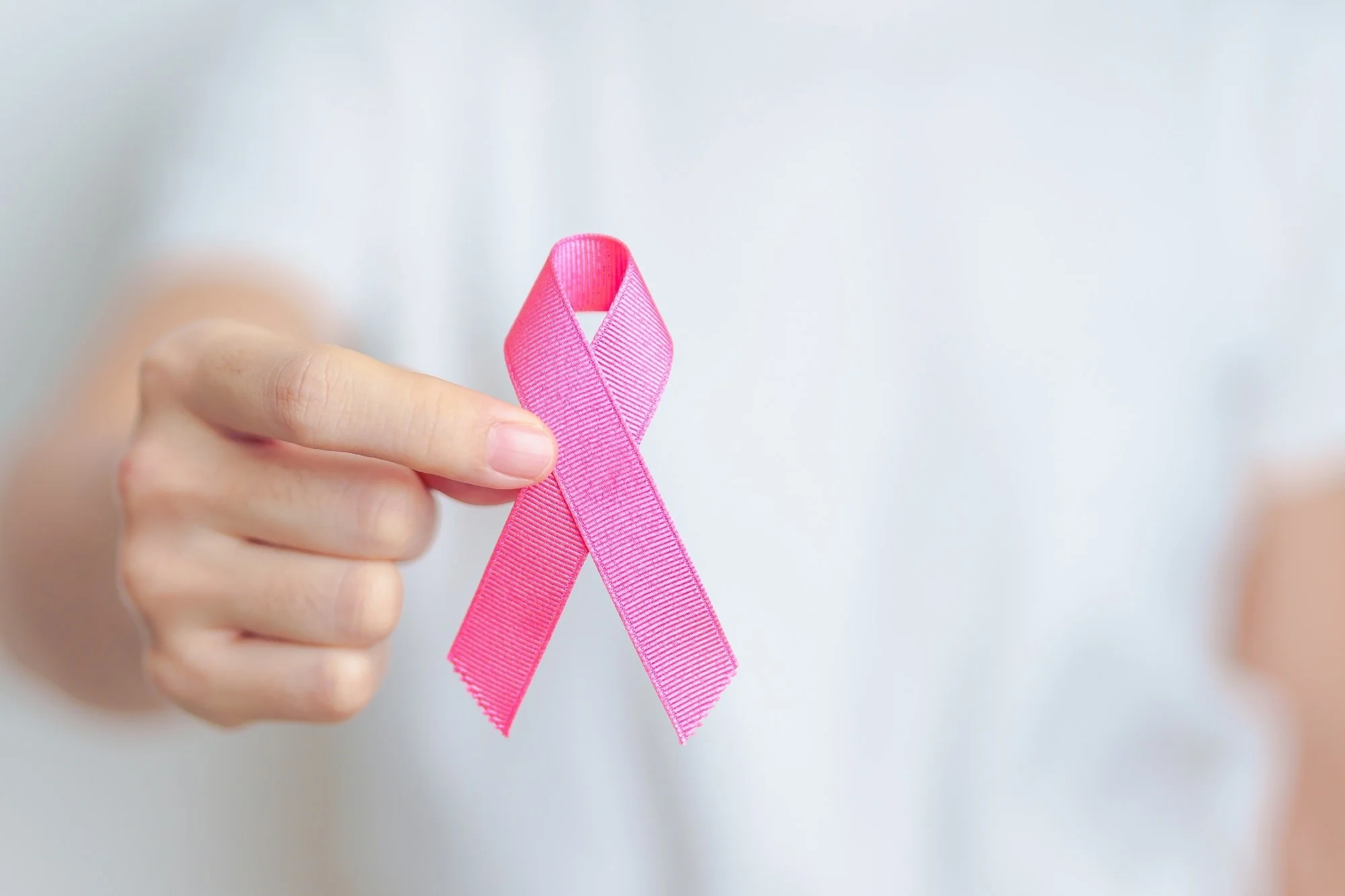
A major global health warning has been issued after a new report published in The Lancet projected a sharp rise in breast cancer cases and deaths by 2050. The study estimates that annual global breast cancer cases among women could reach 3.56 million, while deaths may climb to 1.37 million if urgent interventions are not implemented.
Global Cases And Deaths Set To Rise Sharply
According to the projections, incident cases could range between 2.29 million and 4.83 million annually by 2050. At the same time, global deaths are expected to range between 841,000 and 2.02 million, highlighting a steep upward trajectory.
Experts warn that despite medical advancements, many health systems are unprepared to handle the increasing burden, especially in developing regions.
Deaths Could Increase By 44%
The study estimates that annual breast cancer deaths, currently around 764,000 worldwide, could rise by 44% over the next 25 years, reaching nearly 1.4 million by mid-century. Without stronger prevention strategies, early detection systems, and improved treatment access, mortality rates could accelerate further.
India’s Breast Cancer Burden Rises Fivefold Since 1990
India has seen a dramatic surge in breast cancer cases over the past three decades. The report notes that the country’s breast cancer burden has increased fivefold since 1990.
Contributing factors include urbanisation, lifestyle changes, delayed childbirth, reduced breastfeeding rates, obesity, and limited access to early screening.
Breast cancer is now among the most common cancers affecting Indian women, particularly in urban centres. Late-stage diagnosis remains a major challenge, significantly reducing survival rates and increasing treatment costs.
Inequality Between Rich And Poor Nations
The findings reveal stark disparities between high-income and lower-income countries. Wealthier nations have managed to stabilise incidence rates and reduce mortality due to organised screening programs, early detection, and access to advanced treatment.
In contrast, low and lower-middle-income countries face rising cases and higher death rates. Limited radiotherapy facilities, restricted chemotherapy access, and high out-of-pocket expenses worsen outcomes.
Although women in these countries represent only 27% of new global cases, they account for over 45% of breast cancer-related ill health and early deaths, underscoring deep global health inequities.
WHO Targets At Risk
The projections raise concerns about meeting targets under the World Health Organization’s Global Breast Cancer Initiative, which aims for a 2.5% annual reduction in age-standardised mortality by 2040. Experts caution that without immediate policy reforms, increased healthcare funding, expanded screening programs, and stronger awareness campaigns, this target may not be achieved.
Urgent Call For Action
Medical experts emphasise that breast cancer is highly treatable when detected early. Strengthening primary healthcare systems, improving screening access, ensuring affordable treatment, and increasing public awareness about early symptoms could significantly reduce mortality.
The warning from The Lancet makes it clear: without decisive global action, breast cancer could become a far more severe public health crisis by 2050.