
Lagatar24 Desk
Dhaka: Bangladesh voted on Thursday in its first parliamentary election since the August 2024 uprising that removed former Prime Minister Sheikh Hasina, with over 12.7 crore eligible voters and massive security deployment across the country.
Voting Across 299 Constituencies
Polling began at 7:30 AM local time and will continue until 4:30 PM in 299 out of 300 constituencies. Voting in one seat was cancelled due to the death of a candidate. Counting will begin soon after polling ends, and results are expected by Friday.
12.7 Crore Voters, 50 Lakh First-Time Electors
Bangladesh has around 12.7 crore eligible voters in a population of nearly 17 crore. Official data shows the electorate includes about 6.48 crore men, 6.29 crore women, and 1,234 transgender voters. Around 50 lakh people are voting for the first time, with youth expected to play a decisive role after leading the 2024 protests.
Huge Security and Monitoring Arrangements
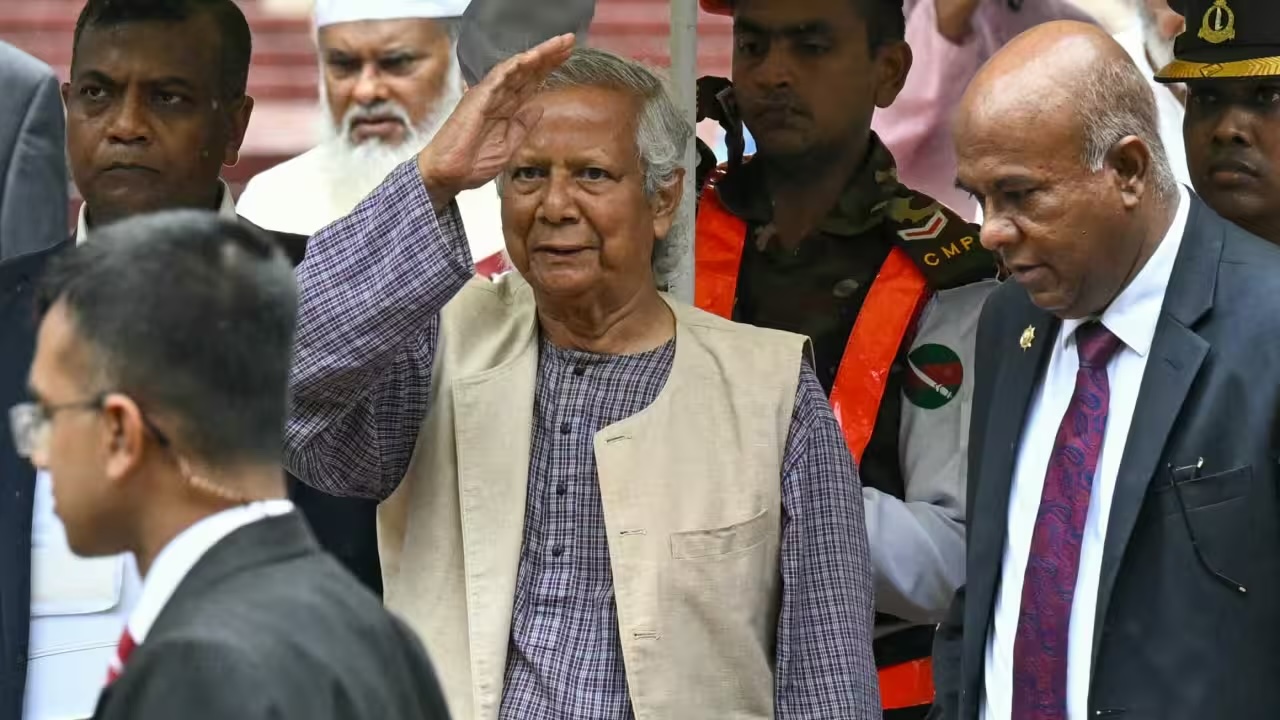
The election is being held at 42,779 polling stations with nearly 8 lakh officials deployed. The interim administration led by Nobel Peace Prize laureate Muhammad Yunus has said it aims to ensure a free and peaceful vote. Security includes nearly 1 million police personnel, including around 1 lakh army members. Around 500 foreign observers and journalists are also present, including teams from the European Union and the Commonwealth.
Parliament Structure and Majority Requirement
Bangladesh’s Jatiya Sangsad has 350 seats, including 300 directly elected seats and 50 reserved for women. Since voting is taking place in 299 constituencies, voters will directly elect 299 lawmakers this time. A party or coalition needs at least 151 seats out of 300 to form the government. The 50 women’s seats are allocated later based on election results and do not affect the initial majority threshold.
50 Parties, 2,028 Candidates in the Race
A total of 50 parties are contesting, with 2,028 candidates fighting for 299 seats. The Awami League, Sheikh Hasina’s former ruling party, has been banned from the election. The contest is widely viewed as mainly between the Bangladesh Nationalist Party (BNP) and an 11-party alliance led by Jamaat-e-Islami. The alliance also includes the National Citizen Party (NCP), formed by student leaders from the uprising.
Background of Past Controversies and Survey Trends
This is Bangladesh’s 13th parliamentary election since independence in 1971. The elections held in 2014, 2018 and 2024 under Hasina were widely criticised as controversial and allegedly rigged, with opposition parties boycotting several polls. Pre-election surveys have largely shown BNP with an advantage, though one survey indicated a close contest with Jamaat-e-Islami.