
Lagatar24 Desk
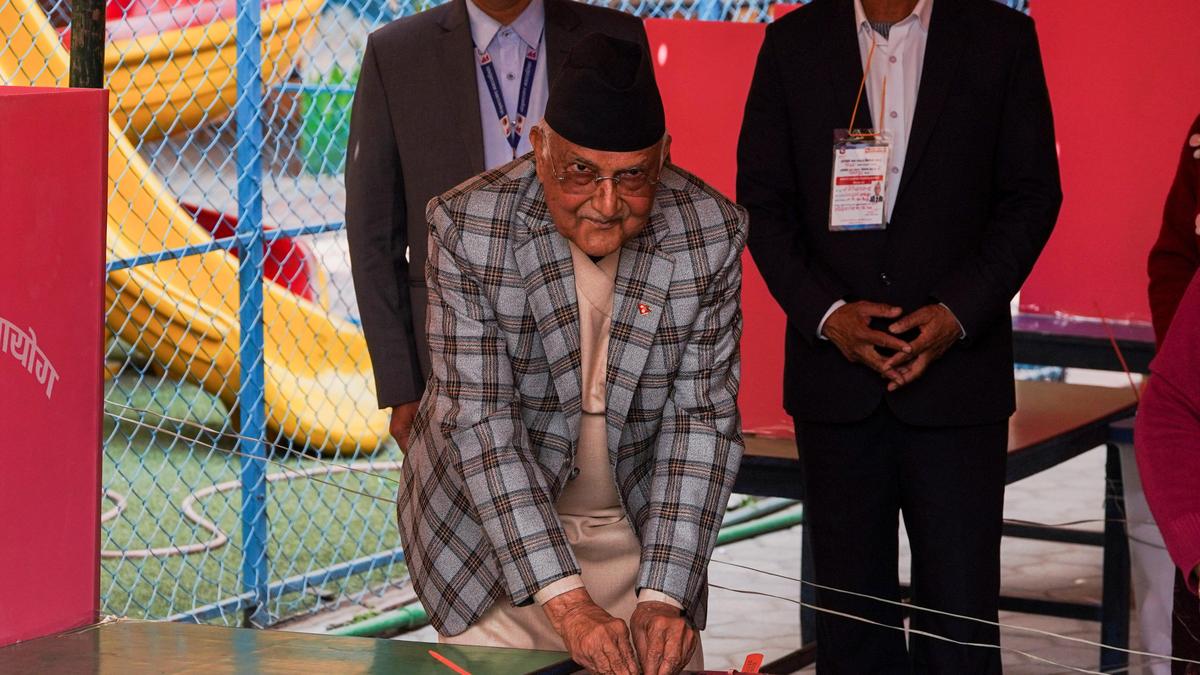
New Delhi: India is closely monitoring the outcome of Nepal’s latest elections as the results could influence the already complex relationship between the two neighbouring countries. The polls come at a sensitive time marked by past protests, political shifts, and unresolved border tensions.
Political Shifts Could Affect Bilateral Relations
Nepal’s elections are being seen as a significant moment following years of political upheaval and public dissatisfaction with governance. The formation of the next government could shape Kathmandu’s foreign policy approach, particularly toward India and China.
New Delhi is closely observing whether the new leadership adopts a cooperative stance or revives criticism that India acts like a “big brother” in the region. Such perceptions have periodically surfaced in Nepal’s political discourse and have influenced diplomatic relations.
Border Dispute Remains A Key Issue
One of the most sensitive issues between the two countries remains the border dispute involving areas such as Kalapani, Lipulekh, and Limpiyadhura. The disagreement intensified in 2020 when Nepal released a new political map claiming these territories, prompting diplomatic tensions with India.
Although both sides have maintained dialogue and emphasised the importance of bilateral ties, the dispute remains unresolved and continues to shape political rhetoric during elections in Nepal.
Strategic Importance For India
Nepal holds significant strategic importance for India due to their open border, deep cultural connections, and strong economic links. Political developments in Kathmandu can directly affect cross-border trade, security cooperation, and regional stability.
India has traditionally maintained close engagement with Nepal across political parties, aiming to ensure stability and strengthen cooperation in infrastructure, energy, and connectivity projects.
Outcome Could Shape Future Engagement
The election results may determine the tone of India–Nepal relations in the coming years. A stable government in Kathmandu could pave the way for renewed dialogue on unresolved issues, while a politically fragmented outcome may prolong uncertainties in bilateral engagement.
As vote counting continues, policymakers in New Delhi are expected to carefully assess the political signals emerging from Nepal’s electoral process.