


Lagatar24 Desk
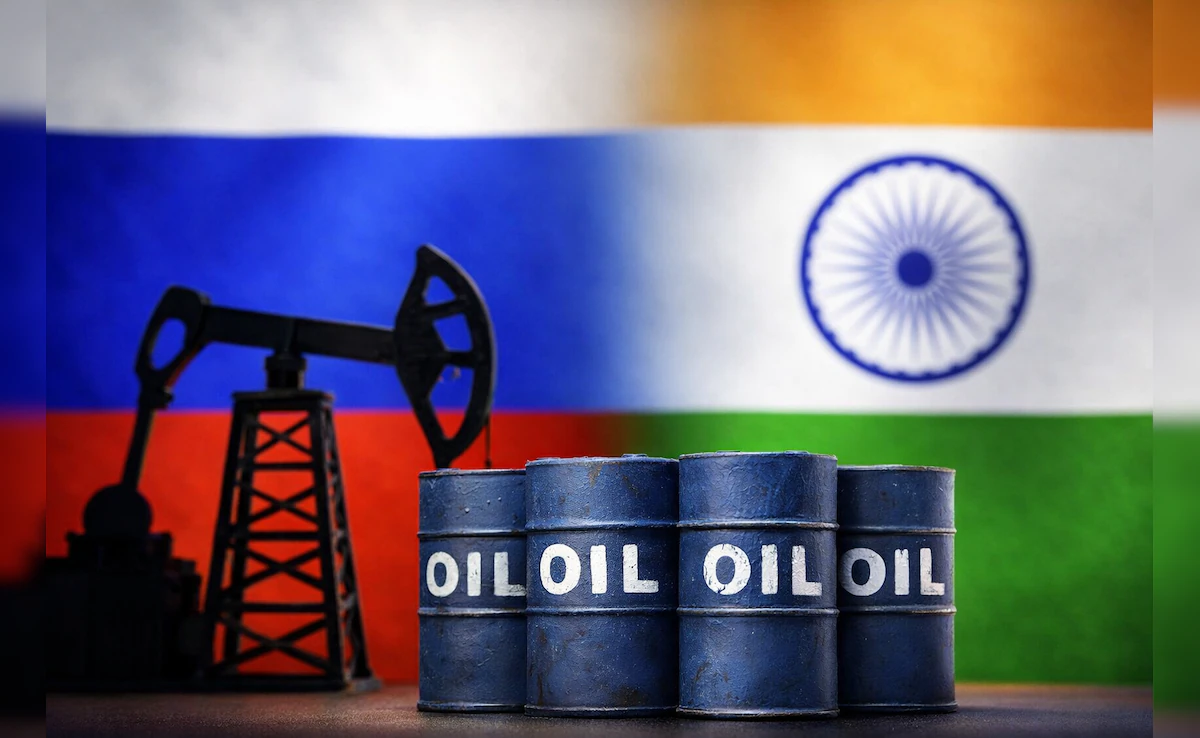
New Delhi: A temporary 30-day US waiver allowing Indian refiners to purchase certain Russian crude cargoes has provided short-term relief to India as tensions in West Asia disrupt oil flows through the Strait of Hormuz. The move is significant for India’s energy security because the country imports around 90% of its crude oil, with a large share traditionally coming from the Middle East.
Why The Waiver Matters For India
The report says India had sharply reduced Russian crude purchases after US sanctions and tariff-related pressure, even though New Delhi maintained that its oil buying decisions would be guided by energy security and price advantage. With Middle East supplies now under stress, the temporary waiver gives India an immediate alternative source of crude and may help reduce pressure on domestic fuel supplies.
What The US Waiver Allows
According to the report, the US Treasury has allowed transactions related to Russian-origin crude or petroleum products loaded on vessels on or before March 5, 2026, and delivered to Indian ports by April 4, 2026. The measure is being described as a stop-gap arrangement meant to keep oil flowing into the global market without offering long-term benefit to Russia.
Hormuz Disruption And India’s Vulnerability
The Strait of Hormuz remains one of the most important oil transit routes in the world, with a major share of global crude passing through it toward Asia. India is especially exposed because a large portion of its crude imports depend on this corridor. Although the strait has not been officially closed, reported attacks on vessels and shipping disruptions have created serious uncertainty for import-dependent countries like India.
India’s запас, Alternative Sources And Refining Strategy
The report says India currently has crude and fuel stocks that can cover several weeks of demand, including strategic reserves. At the same time, officials are looking at alternative supply routes from West Africa, Latin America, the United States, and Russia. Analysts cited in the report suggest that Indian refiners could quickly raise Russian crude intake in the near term, though this would still not fully offset India’s heavy dependence on Middle Eastern supply flows.
Competition, Prices And The Bigger Risk
While the waiver may support India’s short-term fuel security and refining margins, analysts warn that it does not remove the country’s structural vulnerability. Competition from Chinese buyers for available Russian barrels could limit India’s gains, and any sustained disruption in Hormuz could still drive up import costs. Rising crude prices remain a major concern, as even a modest increase can significantly inflate India’s annual import bill and put pressure on the rupee.