
Lagatar24 Desk
New Delhi: A sharp warning on India’s worsening air quality has been issued by the global medical journal The Lancet, which reports that air pollution caused nearly 1.7 million deaths in India in 2022, raising serious concerns over public health accountability and policy inaction.
Lancet Editor Questions Public and Political Accountability
Richard Horton, Editor-in-Chief of The Lancet and a global health expert, said India is “dying from dirty air” while no one is being held responsible. He questioned why India’s democracy is not demanding clean air and why citizens are not pressuring governments for accountability, pointing to widespread indifference and weak political responsibility.
Failure to Address a Growing Public Health Emergency
In an interview, Horton noted that despite being a vibrant democracy, India has failed to confront a deepening public health crisis. He emphasized that pollution-related diseases and deaths occur gradually, allowing policymakers and the public to evade responsibility as impacts emerge months or years after exposure.
China’s Example in Combating Air Pollution
Horton contrasted India’s approach with China’s, citing Beijing as an example where authorities shut down polluting industries, imposed strict vehicle restrictions, and delivered tangible improvements in air quality. He remarked that Beijing’s air now feels comparable to rural environments due to decisive action.
Why Mass Action Is Missing in India
Expressing surprise, Horton asked why no major public movement has emerged in India against severe air pollution. He questioned why citizens are not linking electoral choices to air quality outcomes and demanding corrective measures from governments.
Health and Economic Costs Mounting
Horton warned that severe air pollution leads to cardiovascular diseases, respiratory illnesses, and lung cancer, with effects that manifest over 12–24 months. The slow onset, he said, masks the scale of the crisis and delays urgent responses.
Global Economic Voices Echo the Alarm
Adding to the concern, former IMF Deputy Managing Director and Harvard economist Gita Gopinath stated at the World Economic Forum in Geneva that air pollution—not tariffs—is the biggest threat to India’s economy. Citing World Bank data, she reiterated that air pollution led to approximately 1.7 million deaths in India in 2022, causing massive human and financial losses.
PM2.5 Exposure and Dangerous AQI Levels
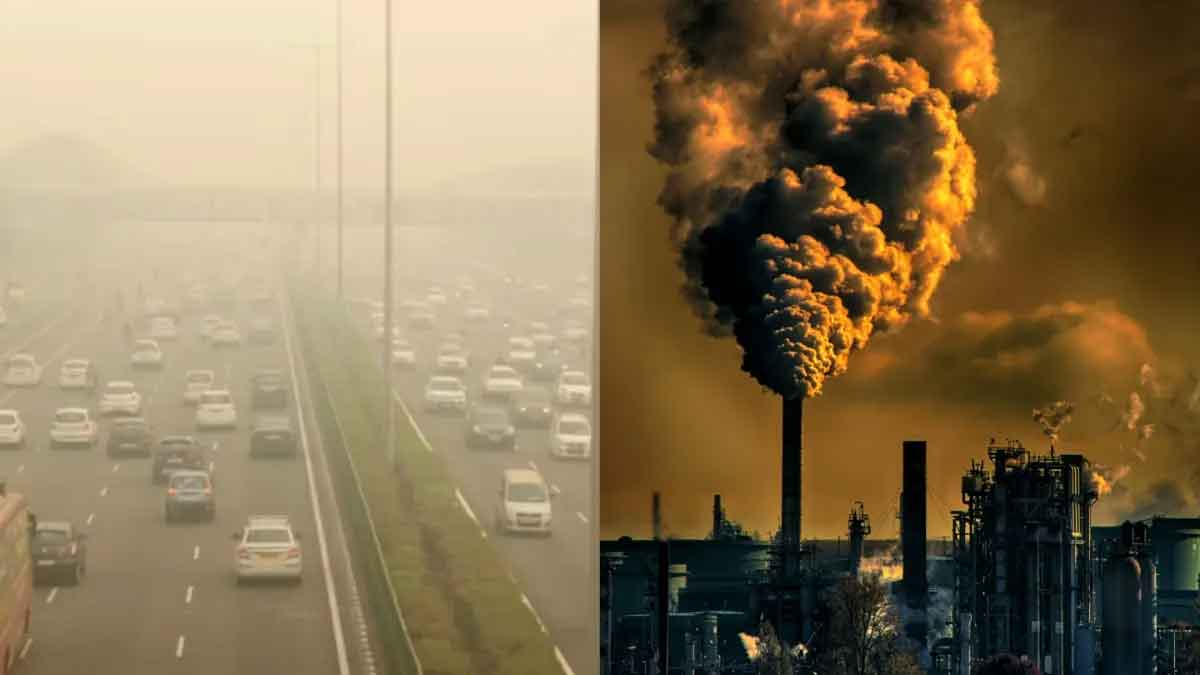
According to World Bank findings, India’s entire population of about 1.4 billion is exposed to hazardous PM2.5 pollutants. Major cities rarely record AQI levels below 50, while large parts of northern India frequently exceed AQI 400, posing extreme health risks.