

Lagatar24 Desk
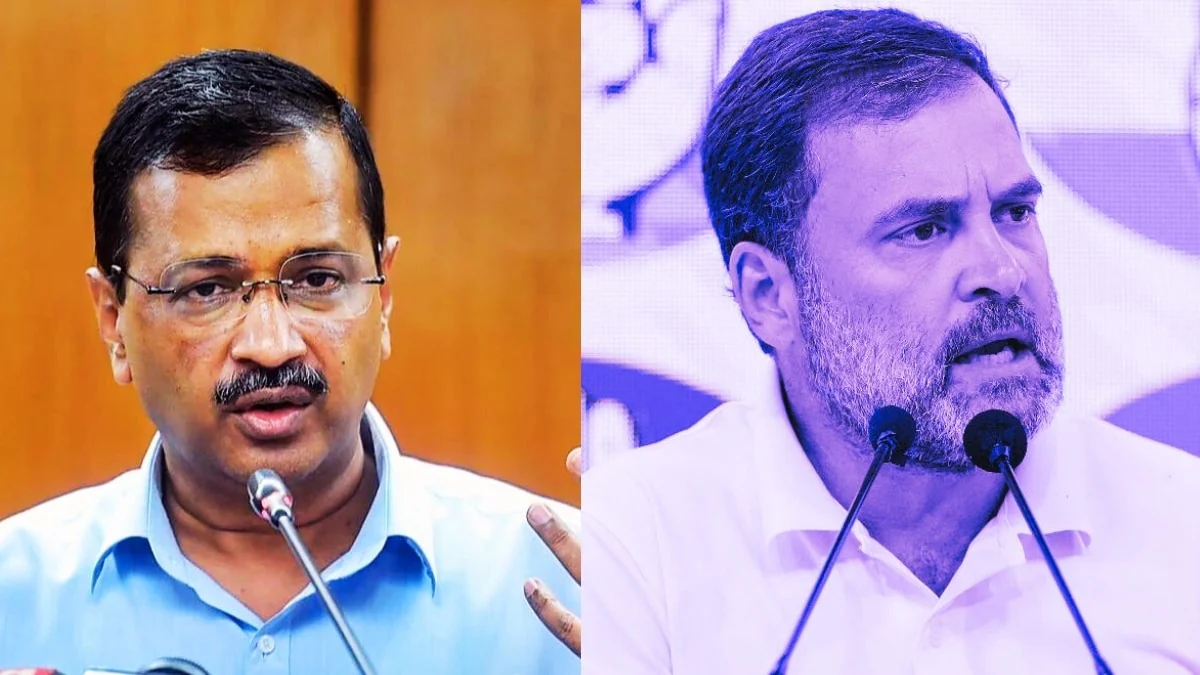
New Delhi: The Aam Aadmi Party (AAP) has announced that it will contest the upcoming Delhi assembly elections on its own, taking on both an “overconfident” Congress and an “arrogant” BJP. This decision comes on the heels of Congress’s recent electoral defeat in Haryana, where the party failed to capitalize on its strong vote share.
AAP Criticizes Congress for Ignoring Alliance Partners
AAP spokesperson Priyanka Kakkar said on Wednesday that the Congress has repeatedly demonstrated a lack of respect for its allies, particularly pointing to the grand old party’s approach during the Haryana elections.
“In Delhi, AAP will contest alone. We are capable of fighting the overconfident Congress and arrogant BJP alone,” Kakkar said, underscoring AAP’s decision to go solo.
Discontent Over Haryana Elections
Kakkar further criticized the Congress for its refusal to work collaboratively with alliance partners within the INDIA bloc. She highlighted how Congress failed to coordinate with AAP during the Haryana assembly elections, contributing to its own downfall.
“Despite having no seats in the Delhi assembly for the last 10 years, AAP still gave Congress three seats during the Lok Sabha polls. However, they did not value this gesture and disregarded allies during the Haryana elections,” Kakkar remarked.
Congress’s Haryana Setback
The comments from AAP come in the wake of Congress’s underwhelming performance in the Haryana elections. The BJP secured a third consecutive term with 48 seats, while Congress managed to win only 37 seats. AAP, contesting independently in Haryana, failed to win any seats.
Spoilers and Congress’s Losses
An analysis of the Haryana election results showed that Congress lost several seats due to “spoiler” candidates, including independents and members of the Indian National Lok Dal (INLD). Congress lost 17 out of the 45 seats where it finished second, highlighting missed opportunities for the party.
Despite winning nearly the same vote share as the BJP, Congress’s losses to spoiler candidates in 17 constituencies, compared to the BJP’s 12, indicate it had more potential to convert these seats had alliances been formed.