

Lagatar24 Desk
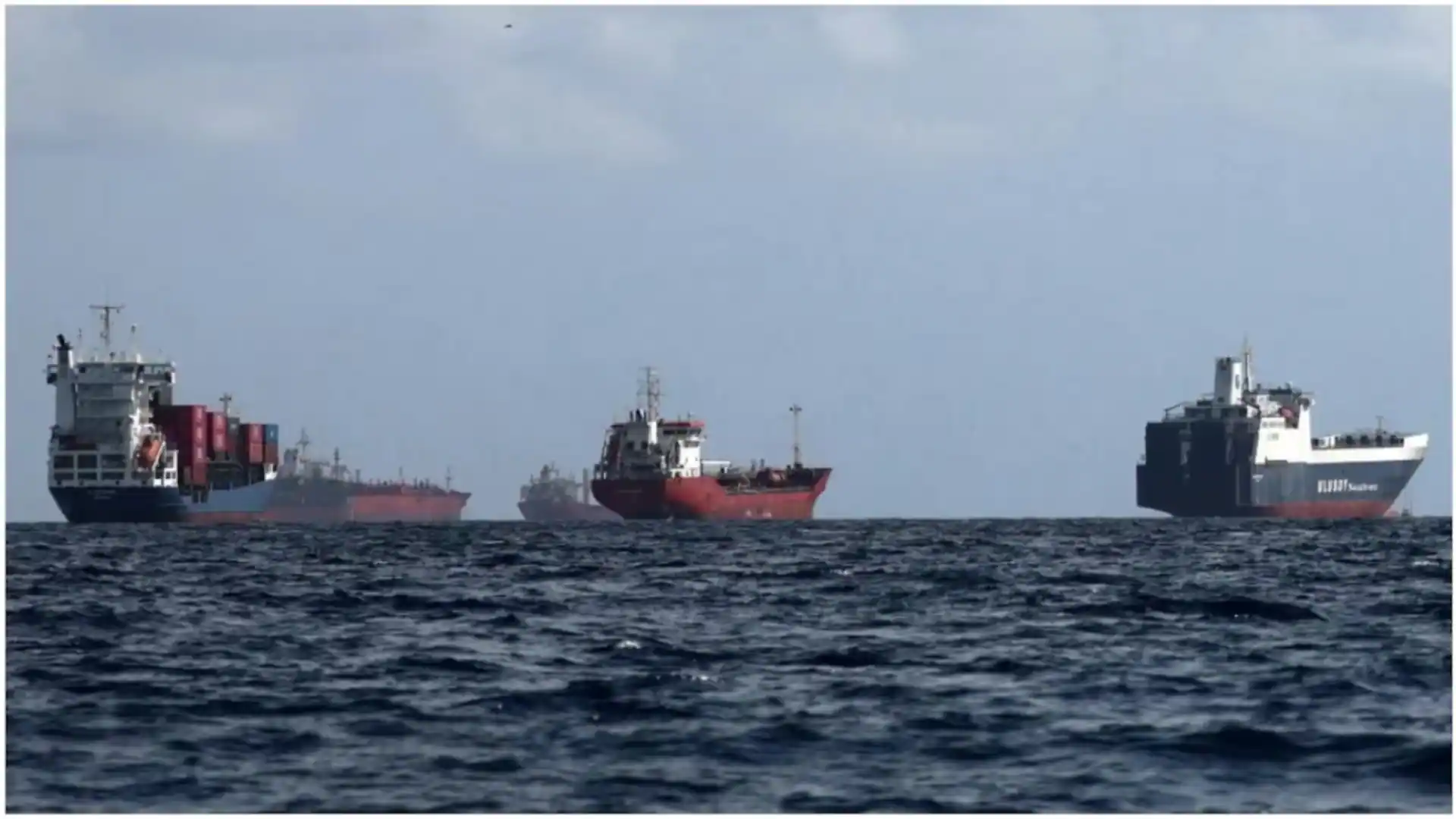
New Delhi: A reported logjam of hundreds of tankers near the Strait of Hormuz and sharply reduced crude movement has raised fresh concerns over supply shocks, price spikes, and whether India may have to consider demand-management steps if disruptions persist.
Hormuz Flows Reportedly Collapse, Tanker Queue Swells
Maritime tracking data cited in the report claims crude traffic through the Strait of Hormuz has plunged sharply compared to typical daily volumes, even though the passage is not formally closed. The report says over 700 non-Iranian tankers are waiting on both sides of the strait, with additional vessels idling inside the Gulf and nearby waters, reflecting an industry-wide “wait and freeze” stance amid elevated risk.
Energy Markets React With Price Jumps and Risk Premiums
The report says markets responded immediately, with crude prices rising and European gas spiking after separate attacks were reported on key energy facilities, prompting shutdowns. War-risk insurance and freight rates for Gulf routes are also said to be tightening, costs that can feed directly into global fuel prices.
India’s Exposure: Gulf Dependence and Export Dilemma
The report flags India’s vulnerability due to its reliance on Gulf energy flows, particularly if tanker paralysis continues for days or weeks. It says refiners across Asia and Europe are already scouting alternative barrels from regions like the US Gulf, West Africa, Brazil, and Russia, while India may be forced to balance domestic fuel security with its position as a major exporter of refined products.
Possible Contingency Moves Under Discussion
According to the report, officials in New Delhi are monitoring the situation and may consider emergency measures if disruption persists, including curbing petrol and diesel exports, boosting alternative crude sourcing (including Russian barrels), and demand-management steps such as LPG rationing—though the report notes these potential moves were not independently verified. India’s LPG risk is highlighted as especially acute due to high import dependence and the Gulf-heavy supply route via Hormuz.
Government Review and Stock Cover Estimates
The report cites a public statement indicating authorities are tracking the situation and will act to ensure availability and affordability of petroleum products. It also references estimates of combined crude-and-product coverage across strategic storage, refineries, ports, and floating storage, while noting that LPG and LNG buffers are typically tighter than overall petroleum stock figures.