



Lagatar24 Desk
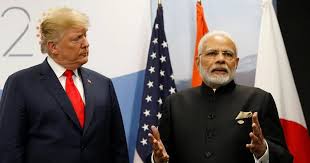
Washington: With trade negotiations between India and the United States still unresolved, a senior aide of former US President Donald Trump has claimed that a near-final deal collapsed because Prime Minister Narendra Modi did not personally call Trump to seal it.
Trump Aide’s Claim on Deal Breakdown
US Commerce Secretary Howard Lutnick stated that a trade agreement was almost finalised, but the process stalled because Prime Minister Modi did not make a direct call to Donald Trump. Speaking on a podcast, Lutnick said he had set up the deal and expected a leader-level conversation to conclude it, adding that India appeared “on the wrong side of the see-saw” despite being very close to an agreement.
India Deal Delayed Despite Progress
Lutnick further claimed that the India-US deal was expected to be concluded even before agreements with countries like Indonesia, Vietnam, and the Philippines. He noted that negotiations with India were conducted at a higher rate and were more advanced, but ultimately did not move forward.
Tariff Pressure and Russian Oil Issue
The remarks come amid renewed tariff pressure from Washington. Trump has previously hinted at raising tariffs on India if it did not cooperate on reducing oil trade with Russia. The US had imposed 50 percent tariffs on Indian goods last year, linking them to New Delhi’s energy imports from Moscow.
India’s Stand on Trade Talks
India has consistently maintained that its energy purchases are driven by market conditions and domestic needs. Union Minister Piyush Goyal has reiterated that while India is open to discussions with the US, it does not negotiate under deadlines or external pressure, emphasising that trade deals must be balanced and mutually beneficial.
Possibility of Steeper Sanctions
Concerns have grown after US Senator Lindsey Graham indicated Trump’s approval of a proposed Russia sanctions bill. The draft legislation could impose tariffs of up to 500 percent on countries, including India, that continue trade in Russian-origin uranium and petroleum products, as part of efforts to pressure Moscow over the Ukraine conflict.