

Lagatar24 Desk
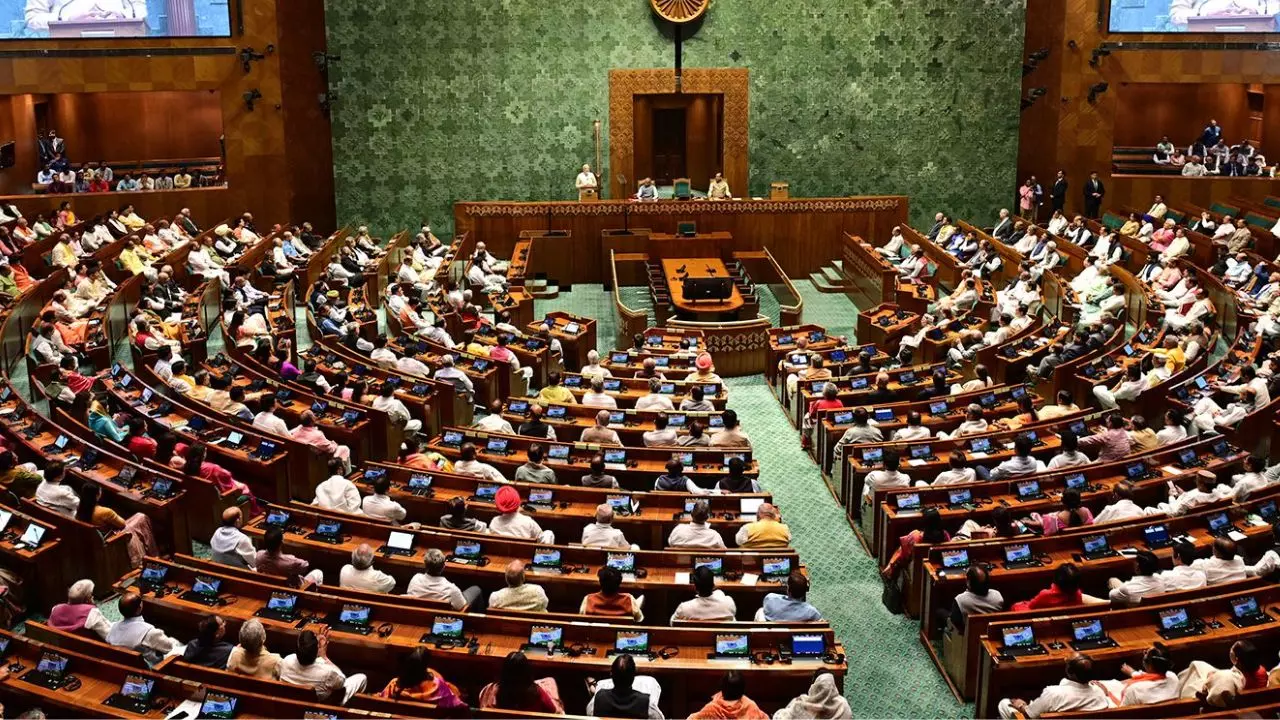
New Delhi: The Parliament’s Budget Session resumes on Monday, with several key bills slated for discussion amidst heightened tensions between opposition and ruling parties. The Lok Sabha will witness Union Finance Minister Nirmala Sitharaman presenting the Appropriation Bill and Finance Bill, while Law Minister Arjun Ram Meghwal will introduce legislation to readjust the representation of Scheduled Tribes in Goa’s assembly constituencies.
In the Rajya Sabha, the Oilfields (Regulation and Development) Amendment Bill, presented by Hardeep Singh Puri, is scheduled for discussion on Tuesday. However, significant attention is drawn to the anticipated amendments to the Waqf Act, which may redefine the authority of Waqf Boards regarding property designation.
Reports suggest that the proposed amendments could mandate verification for property claims, aiming to enhance transparency and accountability within Waqf Boards. While there has been no official confirmation from the government, unnamed officials indicate that the changes align with community demands for greater oversight.
“There have been demands from within the community to amend the law to bring transparency and accountability. Some Muslim high court judges had flagged that the decision taken by Waqf boards cannot be challenged in courts. Now, the amendment bill seeks to set that right,” a government source told PTI.
The potential changes have sparked controversy, particularly among opposition leaders. Asaduddin Owaisi, chief of the All India Majlis-e-Ittehadul Muslimeen party, criticized the amendments, accusing the BJP of undermining the autonomy of Waqf Boards. “These amendments are intended to take away Waqf properties,” Owaisi stated. “The Modi government wants to take away the autonomy of the Waqf board. This is against freedom of religion.”
Owaisi further accused the BJP of pursuing a Hindutva agenda, stating, “If you make amendments to the establishment and composition of the Waqf board, then there will be administrative chaos, loss of autonomy, and increased government control over the Waqf Board, affecting its independence.”
Maulana Khalid Rasheed Farangi Mahali, a member of the All India Muslim Personal Law Board, urged the government to consult stakeholders before implementing changes. “Our ancestors have donated a large part of their property and made it Waqf under Islamic law. Once a property is made Waqf, it cannot be sold or transferred,” Mahali emphasized.
In contrast, senior BJP leader Dinesh Sharma defended the proposed amendments, citing complaints against Waqf boards. “The main reason behind this is that there have been complaints against Waqf boards, which were made for benefiting minorities but have been involved in other works,” Sharma noted.
The Congress government had previously expanded the powers of Waqf Boards through amendments to the Waqf Act, 1995, in 2013. The new amendments are designed to increase women’s representation on the Central Waqf Council and state boards, introduce measures for property monitoring with district magistrates, and address delays in property surveying.
As the session progresses, opposition members in the Rajya Sabha plan to scrutinize the functioning of several ministries, including Agriculture and Farmers Welfare, New and Renewable Energy, and Cooperation.