
Lagatar24 Desk
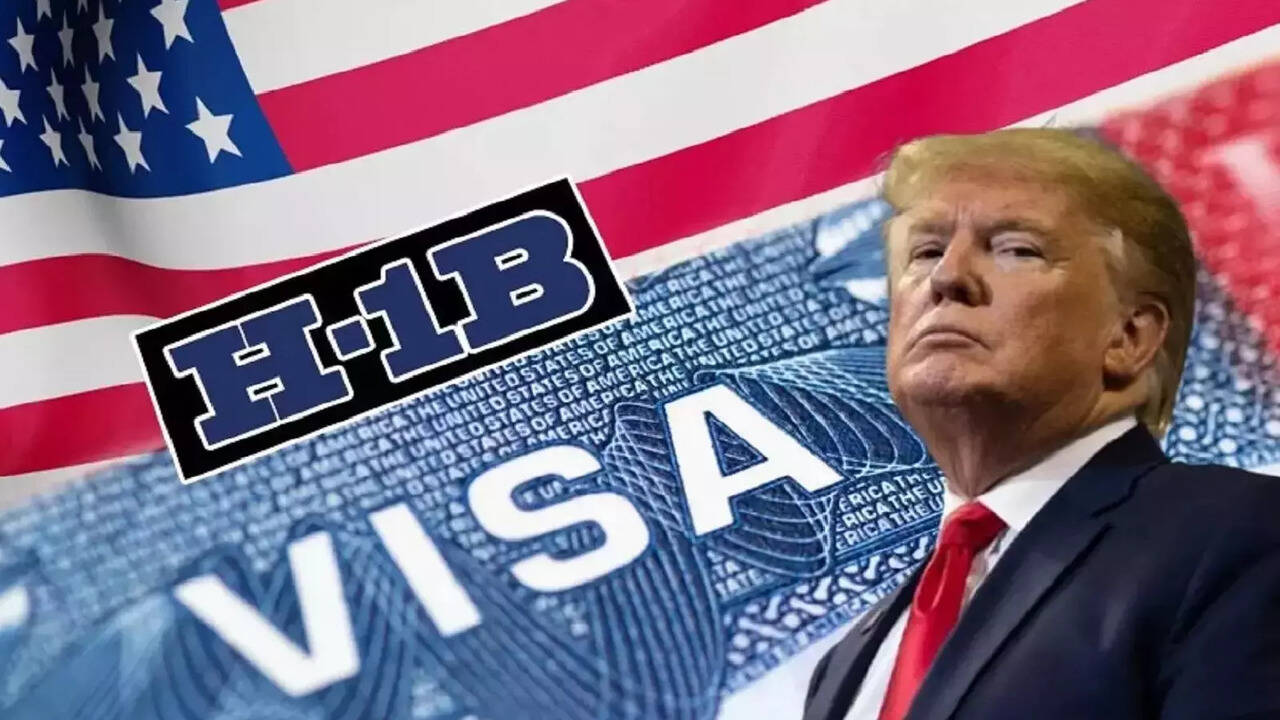
New Delhi: The Trump administration has introduced new mandatory vetting rules for H-1B visa applicants that require applicants — and even their dependents — to undergo extensive background checks based on their online activity. The US State Department has instructed consular officers worldwide to examine social media histories to determine whether an applicant has ever been involved in “censorship” of free speech, making such involvement grounds for visa denial.
What The New H-1B Screening Rules Require
According to an internal cable sent to all US missions, consular officers must now review resumes and social media profiles of H-1B applicants and their families for past roles linked to content moderation, misinformation tracking, fact-checking, online safety or compliance. From December 15, all H-1B, H-4, F, M and J visa applicants must change their social media profiles to public to facilitate this review. If officers find evidence of participation in restricting protected speech — even indirectly — applicants may be deemed ineligible under the Immigration and Nationality Act. The policy applies to new and repeat applicants and is especially targeted toward workers in technology sectors, including social media and financial platforms.
Impact On Indian Skilled Workers And Families
Indian tech professionals — the largest beneficiaries of H-1B visas — are expected to be disproportionately affected by the enhanced screening. The new requirements could trigger delays, extended questioning and increased denials not only for employees but also for dependent spouses and children. US-based firms have already overtaken Indian IT companies in H-1B sponsorship; a Newsweek-cited NFAP analysis shows that the top seven Indian firms secured just 4,573 new H-1B approvals in FY25 — a 70% drop from FY15. The additional vetting now adds uncertainty for thousands of Indian families pursuing immigration and employment pathways in the United States.