

Sanjit Yadav
Ranchi: The circulation of counterfeit currency has been steadily increasing in Jharkhand over the past few years, with multiple arrests reported across several districts. Despite regular police action, dismantling the entire network remains a major challenge as the racket appears to operate across state borders.
Supply Route Linked To West Bengal Border Areas
Investigations suggest that one of the key supply routes for fake currency entering Jharkhand runs through Malda district in West Bengal. Border areas such as Kaliachak, Vaishnavnagar, and Golabganj are suspected to be major transit points where agents move counterfeit notes into Jharkhand.
Once the consignments reach the state, the notes are divided into smaller batches and distributed to agents operating in various districts, where they are gradually circulated in local markets.
Possible Bangladesh Connection Under Probe
Authorities have also found indications that some counterfeit Indian currency may be entering the country through Bangladesh. From there, the notes reportedly reach West Bengal before being transported to Jharkhand and other states.
Several suspects arrested in recent years have admitted during interrogation that members of the network were involved in bringing fake currency from across the border and distributing it through agents in different regions.
High Profit Drives Illegal Trade
Local sources say the counterfeit currency trade is highly profitable, attracting individuals to join the illegal network. In border areas, it is reportedly possible to obtain fake currency worth ₹1 lakh in exchange for about ₹40,000 in genuine notes.
After receiving the counterfeit notes, agents distribute them in smaller amounts and attempt to circulate them in markets where detection is less likely.
Crowded Markets Often Targeted
The gangs often target crowded places such as weekly markets, busy commercial areas, gambling spots, and liquor outlets. Transactions at these locations happen quickly and currency checks are rare, allowing counterfeit notes to pass easily.
In many cases, suspects make small purchases using fake notes and collect genuine money as change, gradually pushing the counterfeit currency into circulation.
Network Expands From Border Districts
Sources indicate that counterfeit consignments first reach border districts like Sahibganj, Pakur, Dumka, and Jamtara. From there, agents transport the notes to other districts across the state, expanding the network further.
Police Crackdowns Across Several Districts
In recent years, police operations have led to arrests in multiple districts including Ranchi, Palamu, Dhanbad, Bokaro, Hazaribagh, Giridih, and Deoghar. Suspects have often been caught during vehicle checks or after complaints from shopkeepers and traders.
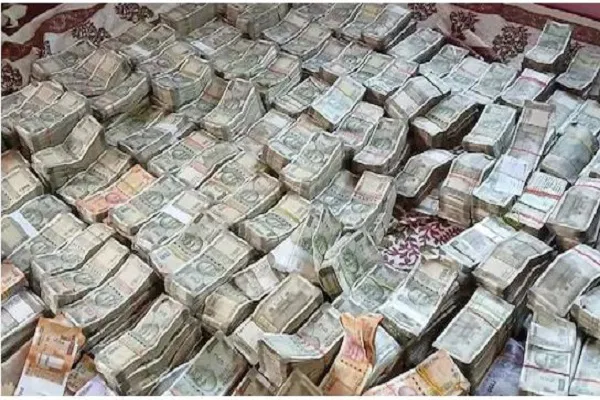
In one major case in August 2025, Ranchi police seized counterfeit currency worth around ₹2 crore during a raid in the Sukhdevnagar area and arrested two suspects believed to be linked to an interstate network.
Public Hesitation Helps Circulation Continue
Local residents say many people hesitate to report counterfeit notes when they receive them, fearing legal trouble or financial loss. This silence allows the illegal network to continue operating, as fake notes pass through multiple hands before being detected.
Authorities Face Challenges In Tracking Masterminds
Investigators say those caught during raids are often small agents, while the masterminds operate from border regions or other states. This layered structure makes it difficult to dismantle the entire network.
Security agencies continue to monitor suspicious activities and coordinate across states, but experts believe stronger border surveillance and improved inter-state cooperation are necessary to curb the counterfeit currency trade.