


Lagatar24 Desk
India on Saturday described the targeting of commercial shipping and seafarers amid the ongoing Gulf conflict as “simply unacceptable,” with External Affairs Minister S. Jaishankar voicing deep concern over the continuing hostilities and what he called the growing “weaponisation of everything” affecting nations of the Global South.
Jaishankar Flags Attacks on Shipping from Gulf to Black Sea
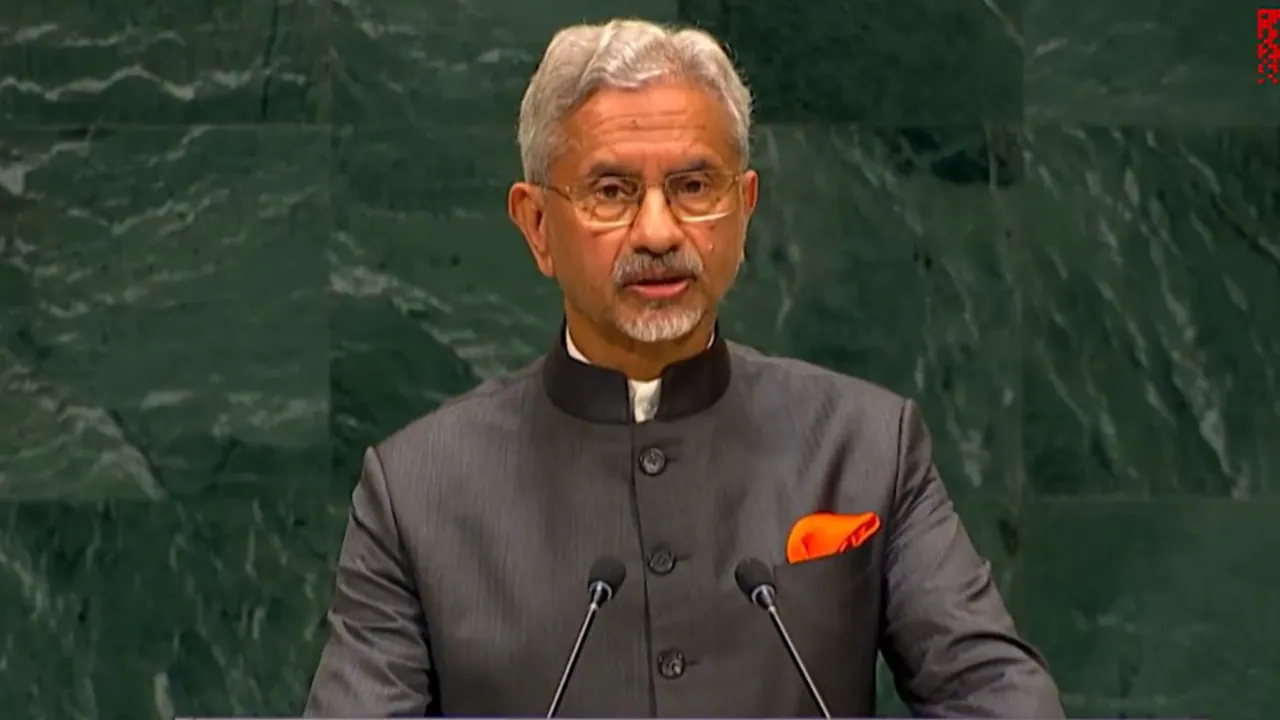
Delivering India’s national statement at the General Debate of the UN General Assembly’s 81st session, Jaishankar specifically condemned attacks on commercial vessels and seafarers transiting international waterways, calling the resulting loss of lives unacceptable and urging all parties to exercise restraint, de-escalate tensions, protect civilians, and ensure the uninterrupted flow of energy and commerce. He noted that new challenges in the maritime domain had compounded existing ones on land, pointing to attacks on shipping and seafarers stretching from the Gulf to the Red Sea and Black Sea. He said it was completely unacceptable that seafarers, including Indians, had lost their lives in such attacks.
India Launches Global Initiative on Seafarer Safety
Ahead of his UNGA address, Jaishankar, along with Liberia’s Foreign Affairs Minister Sara Beysolow Nyanti, launched the “Group of Friends on Safety & Security of Shipping & Seafarers,” an initiative backed by 23 other partner countries aimed at building global opinion against such attacks. He stressed the need to ensure that the safety of shipping and seafarers is never compromised and that international law is strictly observed. He recalled that an Antigua and Barbuda-flagged bulk carrier, MV Cape Dao, had been attacked in the Gulf of Oman days earlier, killing an Indian sailor, while a Panama-flagged oil tanker, El Gaia, had also been struck while transiting the Strait of Hormuz, after which an Indian crew member went missing.
India Warns Against “Weaponisation of Everything”
Jaishankar said ongoing conflicts and confrontations remained the world’s primary concern, warning that the inability to maintain peace was undermining security and hampering development, with countries far removed from conflicts often bearing consequences through no fault of their own. He said the world was witnessing an extreme competitive mindset that was weakening institutions and creating chokepoints across finance, market access, supply chains and technology, pushing nations toward “de-risking” and diversification at the cost of trust and goodwill. He cautioned that continuous global threats and pressures risked pushing the world toward the edge, underlining the need to strengthen stability, security and predictability as essential elements for lasting peace.
Concerns Over Ukraine, West Asia and Global South Crises
Jaishankar also flagged concern over the war in Ukraine, now in its fifth year, referencing Prime Minister Narendra Modi’s August remarks at the SCO Summit that endless war must give way to peace, and said India supported ongoing peace initiatives while stressing the urgent need to secure seafarers and the supply of food and energy. Describing the tensions and violence in West Asia as regrettable, he reiterated India’s support for a two-state solution and said India continues to contribute to humanitarian relief for Palestinians. He further highlighted that the Global South faces an acute “4F crisis” — food, fuel, fertiliser and finance security — compounded by extreme weather patterns and disruptions to grain movement, while also warning that non-market practices restrict the Global South’s right to industrialise, and that misuse of AI was deepening bias and eroding mutual trust.