


Lagatar24 Desk
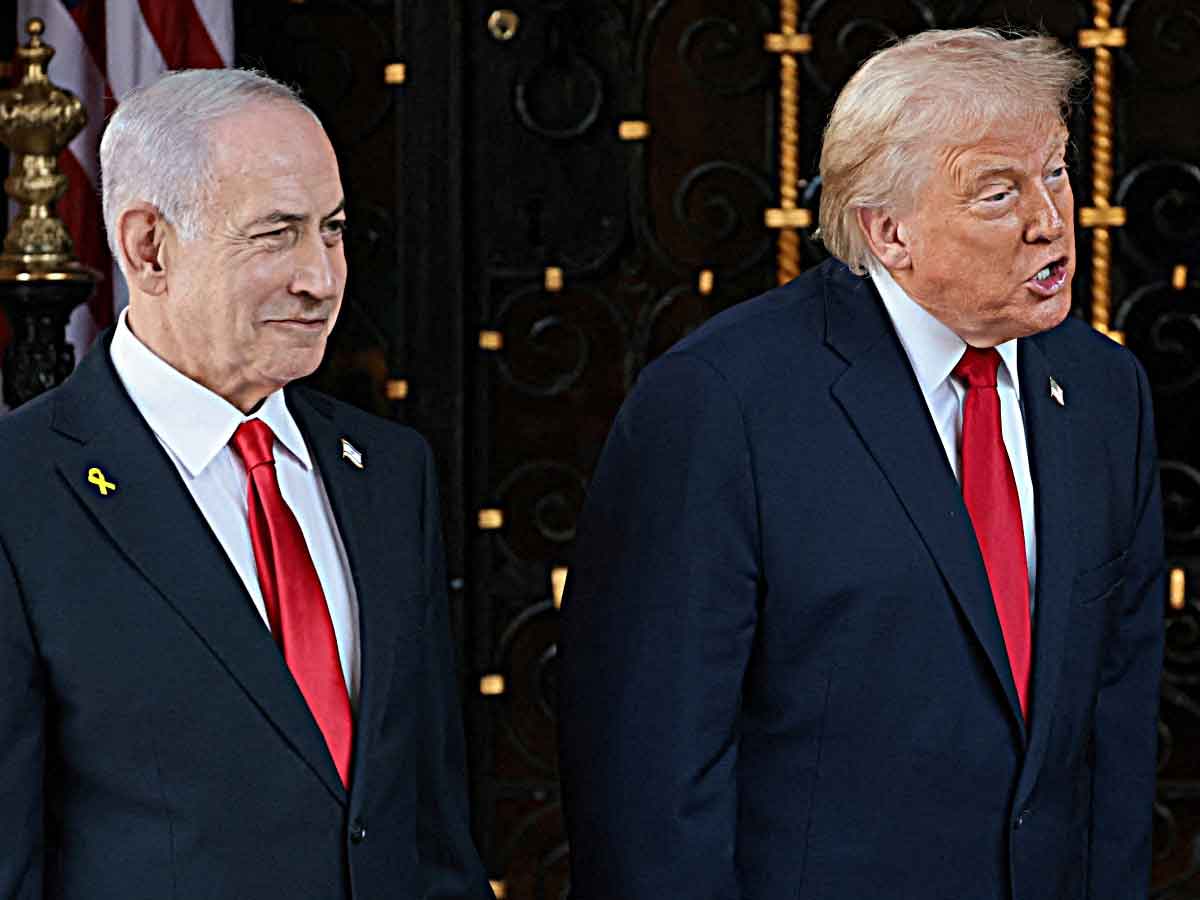
Washington: A closed-door meeting lasting approximately 90 minutes between US President Donald Trump and Israeli Prime Minister Benjamin Netanyahu at the White House has drawn significant attention, with sources saying the discussion was dominated by the Iran issue, and within hours of the meeting’s conclusion, reports emerged that Iran had fired ballistic missiles at a US military base in Jordan, prompting an angered Trump to vow a retaliatory strike.
Diplomatic Efforts Continue Despite Unresolved Issues
According to details that emerged from the meeting, discussions initially focused on a diplomatic resolution with Iran, with Trump administration special envoys Steve Witkoff and Jared Kushner continuing ongoing talks with Iranian officials, though key issues remain unresolved. Israeli officials said Netanyahu expressed concern to Trump during the meeting that Iran was unlikely to accept any agreement that would effectively curb its nuclear programme.
Leaders Discuss Economic Pressure and Naval Blockade on Iran
The meeting also focused on strategies to increase economic pressure on Iran, including continuing the naval blockade around the Strait of Hormuz and considering fresh sanctions. Netanyahu reportedly told Trump that the Strait of Hormuz remained Iran’s most significant leverage against the United States.
Both Leaders Acknowledge Possibility of Renewed Military Action
Both leaders acknowledged that if negotiations and economic sanctions fail to yield results, the US and Israel may need to launch a fresh large-scale military operation against Iran. Sources indicated that Netanyahu did not pressure Trump to launch an immediate strike, instead deferring to the US President for the final decision on the matter.
Syria Situation Also Discussed, Netanyahu Downplays Israeli Presence
According to reports, the meeting also touched upon the situation in Syria, with Netanyahu showing Trump a map to argue that Israel’s military presence in the country was minimal compared to Turkey’s. However, he stated that Israel would continue maintaining its presence in southern Syria as long as the threat from jihadist organisations in the region persisted.