



Lagatar24 Desk
Mumbai: Union Finance Minister Nirmala Sitharaman on Monday made it clear that cutting excise duty on petrol and diesel is not feasible at this time, warning that such a move would cause a revenue loss of approximately Rs 1 lakh crore to the government.
FM Speaks at SIDBI Foundation Day
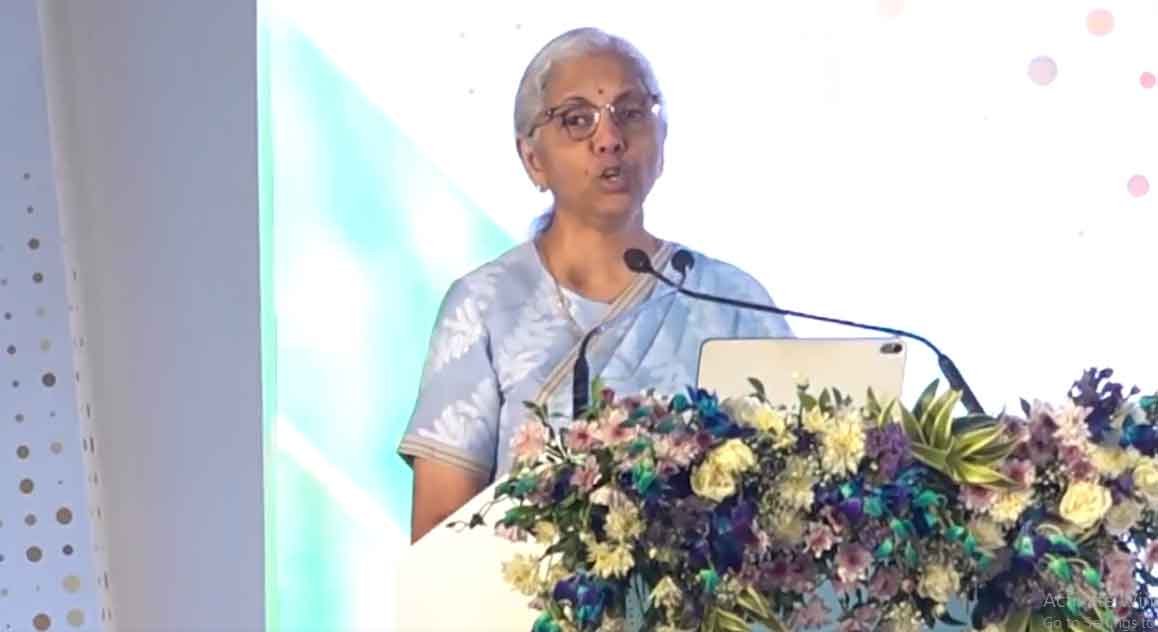
Sitharaman made these remarks while speaking at the 37th Foundation Day event of SIDBI in Mumbai. Her statement comes at a time when fuel prices have been rising consistently, with Monday marking the fourth hike in petrol and diesel prices within the last 10 days. Petrol prices were raised by Rs 2.61 per litre and diesel by Rs 2.71 per litre on Monday.
Revenue Stability a Must for Development
The Finance Minister said that while a tax cut may sound appealing, the resulting Rs 1 lakh crore shortfall in government revenue would be very difficult to make up. She stressed that maintaining a steady revenue stream is essential for running key national schemes and sustaining the country’s development momentum.
Three F’s Under Government Focus
Sitharaman explained that the government is currently paying close attention to three critical areas — Fuel, Fertilizer, and Foreign Exchange. She noted that the West Asia crisis has caused significant volatility in global crude oil prices, while fertilizer and gold prices have also remained elevated, adding pressure on India’s foreign exchange reserves.
India’s Economy Remains Resilient
Despite global challenges, the Finance Minister expressed confidence in the strength of the Indian economy, citing positive indicators such as GST collections, vehicle and tractor sales, insurance sector growth, and a decline in commercial bank NPAs to 1.93 percent. She urged citizens to stay confident rather than panic.
Fuel Conservation Now an Economic Necessity
Backing Prime Minister Modi’s appeal to save fuel, Sitharaman said that in the current situation, conserving fuel is not merely a suggestion but an economic necessity. She warned that if crude oil prices remain high, both petrol-diesel prices and overall inflation could rise further, affecting transport, industries, and everyday goods.