



Lagatar24 Desk
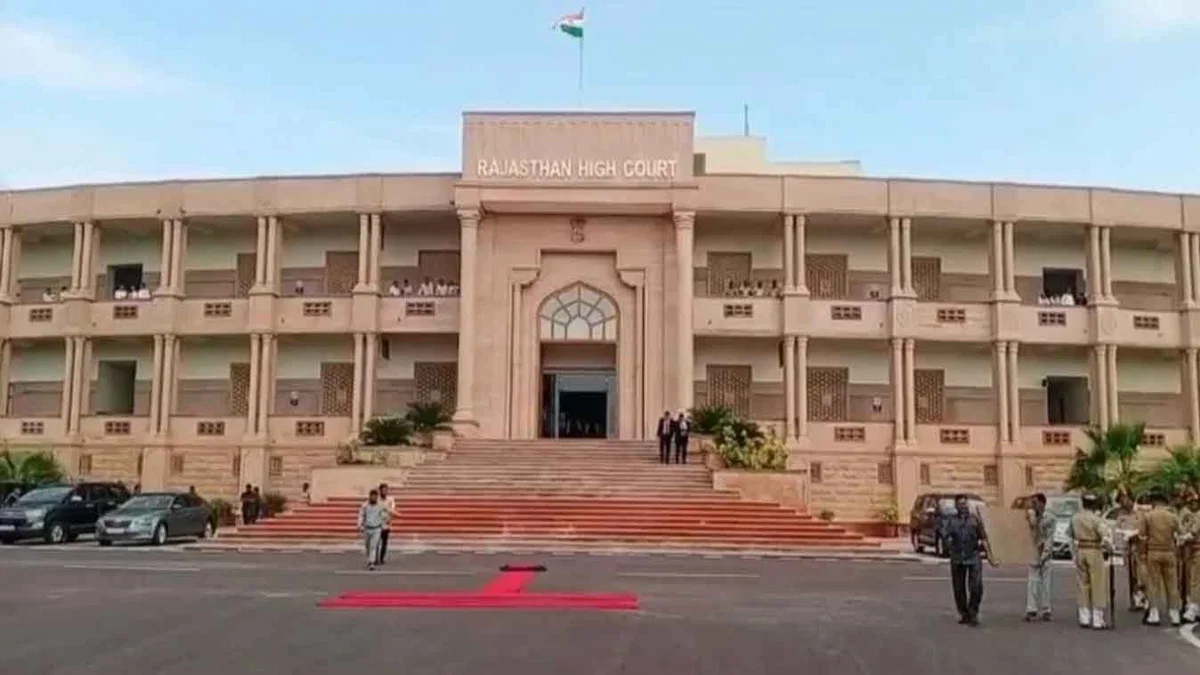
Jaipur: The Rajasthan High Court has declined to stay the state government’s order to remove mosques, madrasas and dargahs located within 50 kilometres of the India-Pakistan international border, rejecting petitions filed by mosque and madrasa committees against the demolition notices issued by the BJP-led state government.
Government’s Removal Notice Faces Opposition from Muslim Community
According to reports, the Rajasthan government’s decision to remove religious structures along the border did not sit well with the Muslim community, prompting mosque and madrasa committees to approach the Rajasthan High Court against the government’s order. However, the court declined to intervene in the matter, denying them any relief.
HC Orders Committee Formation for Case-by-Case Review
While hearing the petitions filed by the mosques and madrasas, the Rajasthan High Court refused to grant a stay on the government’s action, but directed the state government to constitute a committee to examine each case individually, which would then recommend appropriate action regarding demolition or eviction.
Court Terms Order a National Security Matter, Not Religious Discrimination
Justice Sameer Jain of the Rajasthan High Court described the government’s order as a matter linked to national security rather than religious discrimination, stating that disclosure of any sensitive information could compromise national security. On these grounds, the High Court dismissed the petitions filed by the Peer Mohammad Shah Jilani Dargah Committee and other petitioners.
Petitioners Challenge Notices Covering Border Districts
The petitions had challenged government notices seeking to remove mosques, madrasas and dargahs situated within a 50-kilometre radius in border districts including Jaisalmer, Barmer and Bikaner. Petitioners argued that the central government had announced in June that religious structures within 50 kilometres of the India-Pakistan international border would be removed, following which the Rajasthan government issued the notices, which the petitioners described as unlawful. The Additional Solicitor General representing the Rajasthan government opposed the petitions in court, asserting that the notices had been issued strictly in accordance with legal procedure.