


Lagatar24 Desk
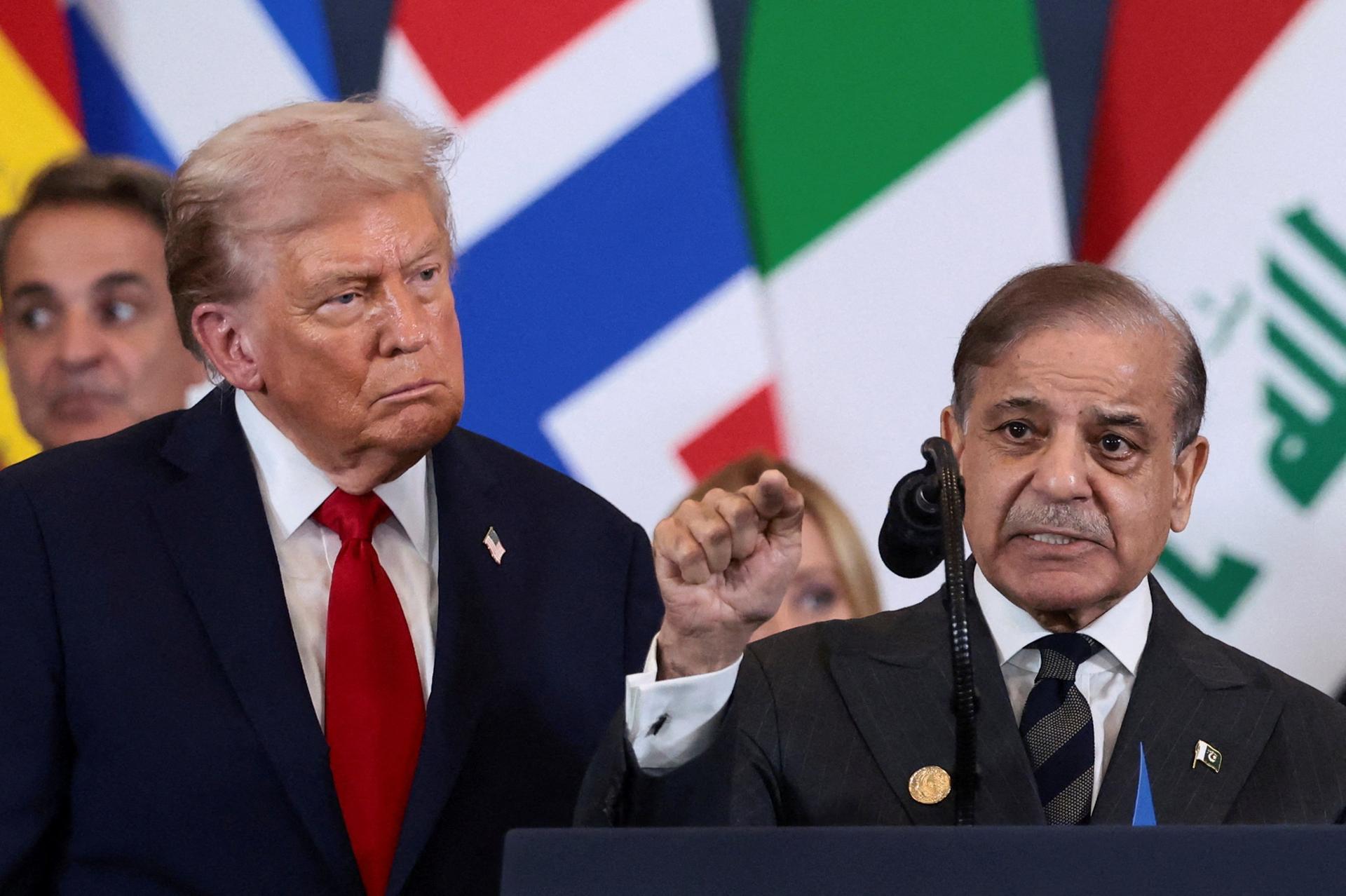
Washington: Pakistan has received a major diplomatic boost after US President Donald Trump credited Field Marshal Asim Munir and Prime Minister Shehbaz Sharif for requesting the extension of the Iran ceasefire. Trump announced the truce would continue indefinitely to allow time for a permanent peace proposal.
Trump Credits Pakistan Leadership
Trump said the ceasefire extension was granted after Pakistan urged more time for diplomacy with Iran. He added that the Iranian leadership appeared divided and needed time to prepare a unified proposal for long-term peace.
While extending the ceasefire, Trump clarified that the US naval blockade near the Strait of Hormuz would remain in place and military readiness would continue.
Pakistan Welcomes the Decision
Prime Minister Shehbaz Sharif thanked Trump for accepting Islamabad’s request and showing confidence in Pakistan’s diplomatic efforts. He expressed hope that both sides would respect the ceasefire and move toward a comprehensive peace agreement during the next round of talks expected in Islamabad.
The development has been projected as a significant moment for Pakistan’s international image.
Why Pakistan Wants Stability
A prolonged Middle East conflict could hurt Pakistan’s already fragile economy. Rising oil prices, supply disruptions, and pressure on foreign exchange reserves are major concerns for Islamabad, which depends heavily on Gulf energy imports.
Economic analysts have warned that continued instability in the Strait of Hormuz could raise inflation, weaken business confidence, and widen Pakistan’s trade deficit.
What Pakistan Stands to Gain
By positioning itself as a mediator, Pakistan hopes to improve its diplomatic standing and attract foreign investment. Officials believe successful peace facilitation could open new economic and strategic opportunities.
However, analysts also warn that if talks collapse, Pakistan could face criticism from both domestic and international observers.
Regional Implications
For India, any reduction in Middle East tensions may be beneficial in the short term due to energy security and trade concerns. But a stronger diplomatic role for Pakistan, especially under military leadership, could carry longer-term strategic implications in South Asia.