

Lagatar24 Desk
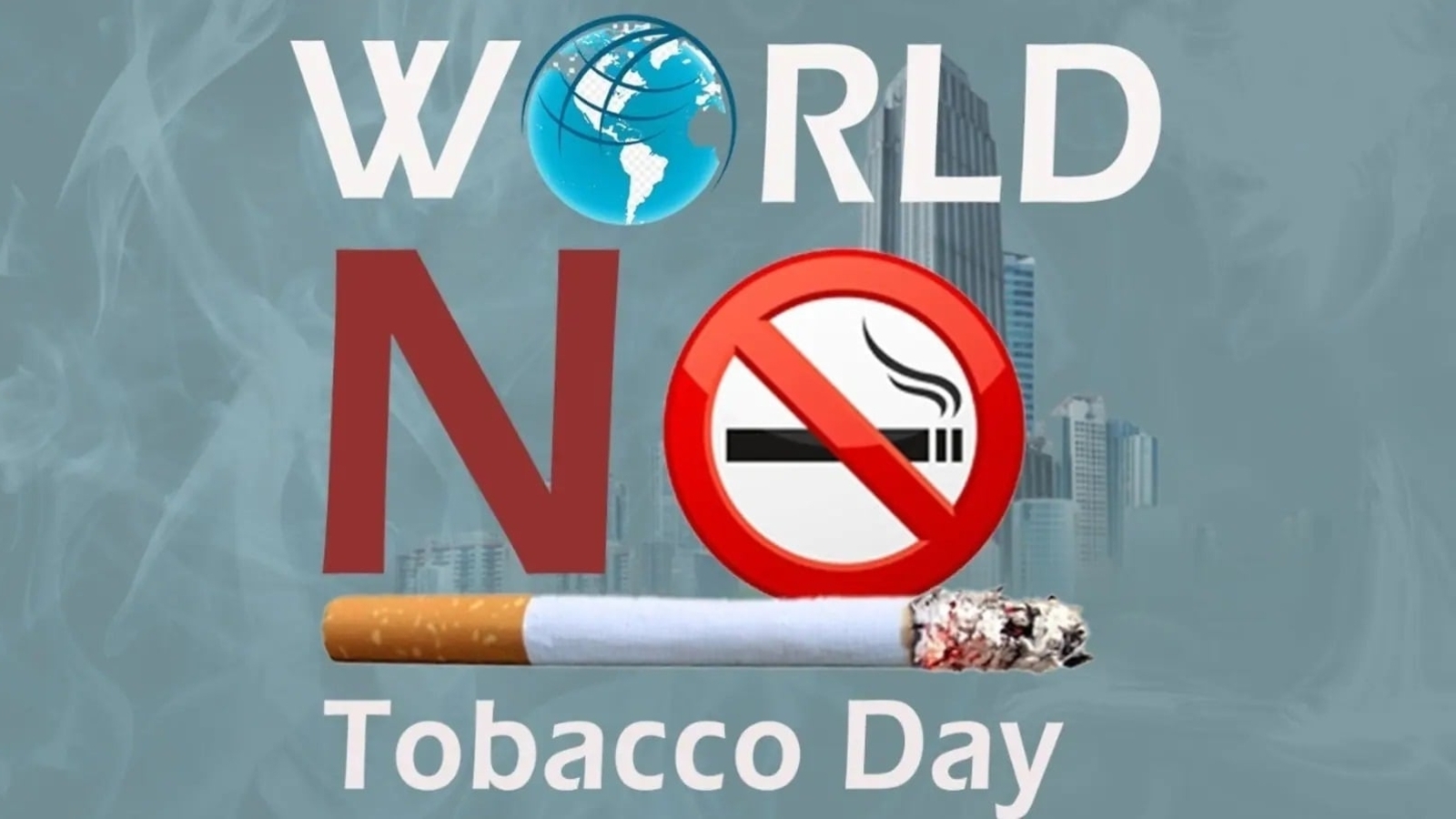
Ranchi: On the occasion of World No Tobacco Day on May 31, health experts have appealed to people to stay away from tobacco and raise awareness among those around them, highlighting alarming statistics about tobacco-related deaths in India and across the world.
WHO Founded the Day to Combat Tobacco Use
The World Health Organization established World No Tobacco Day in 1987 with the aim of making people aware of the harmful effects of tobacco and encouraging a reduction in its consumption. This year’s theme for 2026 is Unmasking the Appeal, which seeks to expose the misleading marketing tactics and attractive packaging used by tobacco companies to lure young people.
Nicotine Addiction Spreads Through Multiple Forms
Experts point out that nicotine, the primary substance in tobacco, is highly addictive and hooks users rapidly. In India, tobacco is consumed in various forms including cigarettes, beedis, gutka, khaini, zarda, hookah, and pan masala, making it a widespread public health challenge.
Over 80 Lakh Deaths Globally Each Year
According to WHO data, more than 80 lakh people die worldwide every year due to tobacco-related causes. Of these, nearly 10 lakh are non-smokers who suffer the consequences of exposure to secondhand smoke. Tobacco is linked to cancers of the mouth, throat, and lungs, as well as heart disease, stroke, tuberculosis, and serious respiratory illnesses. Gutka and khaini are considered leading causes of oral cancer.
27 Crore Indians Use Tobacco, Youth at Rising Risk
More than 27 crore people in India consume tobacco in some form, and approximately 13.5 lakh die every year from tobacco-related diseases. Health experts have raised particular concern over the growing number of children and teenagers falling prey to tobacco addiction at an early age.
Quitting Is Possible With the Right Support
Health experts emphasise that tobacco addiction can be overcome through strong willpower, medical guidance, and nicotine replacement therapy. They have urged people to not only quit themselves but also educate their families and communities about the dangers of tobacco, calling it the single most important step towards better health and a longer life.