



Lagatar24 Desk
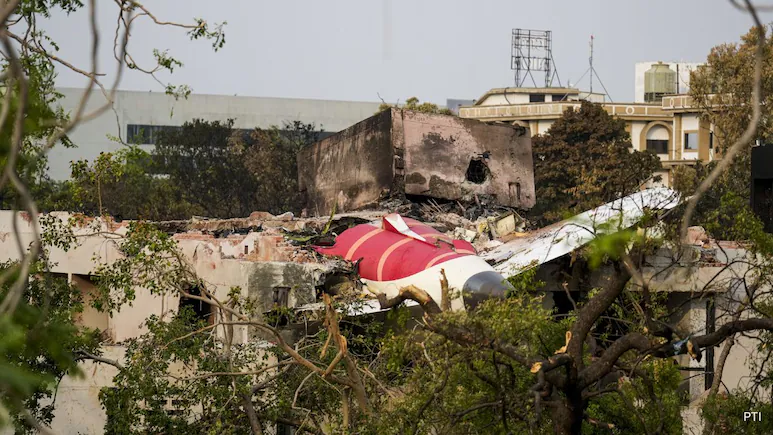
A year after Air India Flight AI171, a Boeing 787-8 Dreamliner travelling from Ahmedabad to London Gatwick, crashed just 32 seconds after takeoff on June 12, 2025, killing all but one of the 242 people on board along with 19 people on the ground, passengers across the country continue to grapple with anxiety and altered travel habits, even as flight crews maintain their faith in aviation safety.
Passengers Share Lingering Anxiety
At Delhi’s Indira Gandhi International Airport, Anu Chikkara, travelling with her newborn, said that any turbulence now sends her anxiety soaring, with her primary worry being for her child’s future. She said she flies out of necessity rather than choice. Varesh and Tanishka Sharma, a couple from Jaipur returning from a trip to Sikkim, said the Ahmedabad crash had delayed their own travel plans and increased their reliance on trains and buses. They said their elderly parents were travelling from Rajasthan to Tamil Nadu entirely by train, even though it takes far longer, because they prioritise safety over speed.
Some Passengers Remain Confident in Flying
Not everyone shares the same apprehension. Gurveer Singh, a marketing manager from Delhi, said he still considers flying the most convenient mode of travel and continues to book flights, though he now checks the aircraft model before doing so. Bangalore-based aviation enthusiast Shreesh Madhwal said that while he loves flying, social media debates around the crash have been troubling. He noted that aviation runs not just on engineering and regulation but also on trust, which takes years to build, can be damaged in days, and must be rebuilt one safe flight at a time.
Calls for Greater Transparency From Airlines and DGCA
Ayush Nambiar, Managing Director of the Nambiar Group, demanded greater accountability, saying airlines and the DGCA must treat transparency as a safety instrument rather than a courtesy. He said frequent flyers deserve clearer flight details, stronger tracking systems, and reasonable access to maintenance and service records of aircraft.
Flight Crews Maintain Confidence in Safety Standards
Despite passenger anxiety, flight crews remain largely united in their belief that aviation continues to be the safest mode of travel. A senior pilot, speaking anonymously, said the incident left aviators with a deep sense of loss, but reaffirmed that air travel remains statistically the safest mode of transport. He said every pilot is trained to strict safety standards and evaluated every six months on flying skills and decision-making. A flight attendant with a major airline echoed similar confidence, saying that while crew members were initially more alert following the crash, the routine of flying up to four flights a day quickly restored a sense of normalcy.